camera history
camera history: 1816. The first year of the camera as a device for capturing images is often considered to be 1816, when Joseph Nicéphore Niépce invented the first camera capable of taking a permanent photograph.
However, the first commercially available camera was the daguerreotype, which was introduced in 1839 by Alphonse Giroux. This marked the beginning of photography as a practical and accessible medium for capturing images.
characteristics of great photo
compelling composition - While basic guides highlight essential compositional concepts like the rule of thirds and symmetry, there are so many other techniques to explore for creating a stunning photo.
Some lesser-known gems include negative space, leading lines, depth of field, and subject framing. Soft and dramatic lighting can be your best friend too. It can help minimise distractions and focus your attention on the focal area within your photo.
Framing is crucial, and using bokeh creates those dreamy, out-of-focus areas/subjects. The use of mathematical aspect ratios explains why certain images are visually captivating; it is about how those ratios/lines guide the viewer’s eye to your subjects.
And there will be moments when you need to capture the magic in front of you, but don’t forget to consider your composition in the fast-and-furious moment and press the shutter button with intention.
It can create perfect harmony within your image, and combined with a shallow depth of field, it will make your subject pop from the background. Let your creativity flow and watch your photography shine
display of emotion - Emotion is the heartbeat of the human race. Whether we're bursting into laughter or shedding tears. This is a powerful connection that connects us all
Photos that encapsulate raw, painful, genuine emotion are truly timeless and have an incredible ability to captivate and connect with any audience
On the brighter side, authentic happiness forges deep connections between viewers and subjects within photographs
The more spontaneous and natural the moment feels, the more powerful the image becomes
storytelling - The world is full of opportunities to capture incredible photos. Some of the greatest photographers can create a story in a photo and place it in print for the world to see, easily
Instead of relying on stunning composition or unique elements, they dive into the heart of a narrative in front of them
Consider powerful moments captured in photojournalism. Such as the thrilling cheer of a newly crowned sports champion and/or a brave protester standing firm and defiant in protest.
These images freeze unforgettable moments in time, allowing us all to witness history as the photographer witnessed the moment
For wedding photographers, the moment when the bride and groom first see each other at the altar is a magical opportunity to capture that thrilling blend of anticipation and surprise. It's one of the most iconic moments of the entire day, brimming with emotion and love
elliptical storytelling - Images that tell a story, spark our imagination and create a dreamlike effect can be more thrilling. A book has similar story qualities to photography and fine art printing
A book can be better than a movie because it lets us create our own interpretation as we move through the lines and chapters
With what is circling within us and our minds when reading a book. When photographs/photographers leave a little space for the imagination
They provide enough to ignite our creativity within a photo. Always leave a few clues to determine the situation in your photo, and yet enough space to allow for creative speculation. The distance between human subjects implies a close relationship
Their clothing, shoes, style, body language and movement, combined with a balanced background, can be the ideal recipe for a perfect photo. All this can enhance the story and connection within your subjects, your photography and your photographs
iconic moments - Capturing an iconic moment, on time and in time, is all about seizing the moment. It could be something new, showcasing an event and/or trending right now
A sporting event, birth, death of a loved one, social gathering and /or an important moment in time. And what is important is that the photo connects with you first.
Creates a powerful connection with the audience and viewer of your final edited photo. When attending these events, reflect on the moment, take a breath, look around, and enjoy it because it may never happen again in the same way. And don’t forget to capture the moments
unique moments - Looking to create an eye-catching, unique image?
It can be easier than you may think. They say, “Capture something that stands out to your audience”
And not the same as others or on Instagram. For example, a traditional Western wedding may have basic colours, and a traditional Asian wedding brings flair and colour that instantly grabs one's attention in a colourful and vibrant direction in your photo.
An isolated/singular colour within a landscape or street scene: red shoes on a lady wearing a black dress, family portrait framed by fireworks
Unique moments can also pop-up during events or at stunning locations. Practice seeing the world differently and capturing moments to create photos that are unique to you
juxtaposed & contrasting concepts - Be amazed by adding contrast and colour in your photography
A stunning bride in a flowing white gown. Capturing beauty set against a backdrop of vibrant graffiti and/or discarded rubbish. Photography that highlights the stark difference between poverty and symbols of wealth
A newborn with smooth skin and an older person with a wrinkled face. These captivating juxtapositions invite us to see the world in a whole new light
lighting and colour - Lighting and colour are the magic ingredients that can transform ordinary images into vibrant masterpieces bursting with life
Think about those breathtaking moments in nature during sunrise and sunset; being in the right place at the right time can lead to unforgettable moments and photos. There are opportunities to create your own stunning lighting effects using off-camera lighting and flashes
Examples: nighttime and macro photography, and don’t forget silhouettes and backlit images
They have their own element, uniqueness, and a balance of challenges. Plus, rewards if you can manage your camera settings and light flow. For some, they are not easy to master, yet once you have, you can elevate your photography to new heights
attention to detail - In today's fast-paced world, speed and efficiency can be high on the priority list. Be careful of missing those often-overlooked details that can make someone stop and appreciate what's around them
Stunning images of unique and unseen elements are not just breathtaking. They can demand attention from even everyday moments, too. For example, capturing a bride’s shoes whilst dancing on the dance floor, or resting cross-legged whilst sitting on a chair
Dramatic and reflective surface light can transform photos into captivating images. Macro lenses can unlock many, many beautiful photographic opportunities. Macro lenses are not just for flowers and insects; you can beautifully capture tiny objects like wedding rings and earrings as well
Best of all, with just an affordable macro lens and some clever lighting, you can achieve a stunning look for your photography
Sometimes, the most powerful photos zoom in on intricate details
Think about it: the ornate dress, the delicate accessories, and the bride's hands, all packed with rich detail, just waiting for a closer look. Slow down and take your time; enjoy the serenity of opportunities that are sometimes missed
perspective - Seeing the world through a whole new lens!
Most of us view life from a similar angle, but that makes us and our unique perspective so captivating!
Instead of capturing a child from an adult’s height, why not crouch down low and see the world through their eyes? Shooting from low, high or different angles can transform an ordinary image into something amazing
Whether you're using a drone, standing on a ladder, on a hilltop, or just stretching your creativity. Capturing images from above can truly elevate your photography. The world is full of angles—let's explore them all!
please note: Check with your local authorities before using a drone, and discuss the use, training and permits required for using drones in your location, especially when travelling to a new district or country
Always keep in mind whatever camera equipment you have. You have in your hands, and always use that to the best of your abilities. Creativity within your photography, and the growth required for better photos, comes from within you
Technology may help, and yet, to a greater extent, it all comes from within you. And with any artistic expression, photography isn't about today; it's about growing and learning for tomorrow
We encourage you to roam and explore with respect and leave nothing but footprints. All the best!
high vs. low-key photography
HIGH‑KEY photography uses bright, low‑contrast lighting with minimal shadows, producing images dominated by bright tones and often featuring an overexposed background.
what high‑key photography means: images consisting primarily of light tones and very few dark shadows. They typically feature: bright, evenly lit subjects. Backgrounds brighter than the subject, often blown out. Reduced contrast for a clean, airy, optimistic feel. High‑key is the opposite of low‑key photography, which relies on dark tones and dramatic shadows
key Characteristics: Minimal shadows: lighting is arranged to eliminate harsh shadow areas. Dominantly bright tones: Whites and light greys define the tonal range. Positive mood: the aesthetic conveys cleanliness, softness, and optimism
Often overexposed backgrounds: used intentionally to create the high‑key effect. Technical Principles: background 1–2 stops brighter than the subject
Fill light reduces shadows on the subject: Your focus and exposure favours the subject while allowing background blowout. White balance is kept neutral or slightly cool for a clean look
common Uses: Portraits. Fashion and beauty. Product photography. Food photography. Wildlife and landscapes.
Photography with snow or fog
LOW‑KEY photography is a lighting style in which dark tones and deep blacks dominate the image, using minimal, focused light to illuminate only specific parts of the subject and create dramatic, high‑contrast, moody visuals.
low‑key photography relies on controlled lighting and deep shadows to emphasise form, texture, and atmosphere. It typically features a dark background, limited illumination, and strong contrast between lit and unlit areas. This style is often used to evoke mystery, drama, or emotional intensity
key characteristics: Dominance of dark tones: most of the frame is black or very dark, with only selective highlights.
Minimal, directional lighting: usually, one light source is used to illuminate a small portion of the subject. High contrast: strong separation between light and shadow creates a dramatic effect
dark background: helps isolate the subject and prevent light spill. Mood and atmosphere: often conveys mystery, intensity, or emotional depth. How It Differs from High‑Key Photography. Low‑key: Dark, moody, shadow‑rich, minimal light. High‑key: Bright, airy, low contrast, abundant light
common Uses: Portraits emphasising facial structure or emotion. Still life with strong texture. Dramatic artistic compositions. Product photography with sculptural lighting. Low‑key photography remains a popular technique for creating visually striking, emotionally resonant images
photography tuition and camera lessons
Ideally, this service is aimed at beginners and intermediate photographers, where no question is a silly question.
Modern cameras and photography can be a mind-boggling experience, so help and guidance are essential to make the most of the connection between you and your camera.
This includes a better understanding of the dials and buttons, as well as minor adjustments that can make a difference.
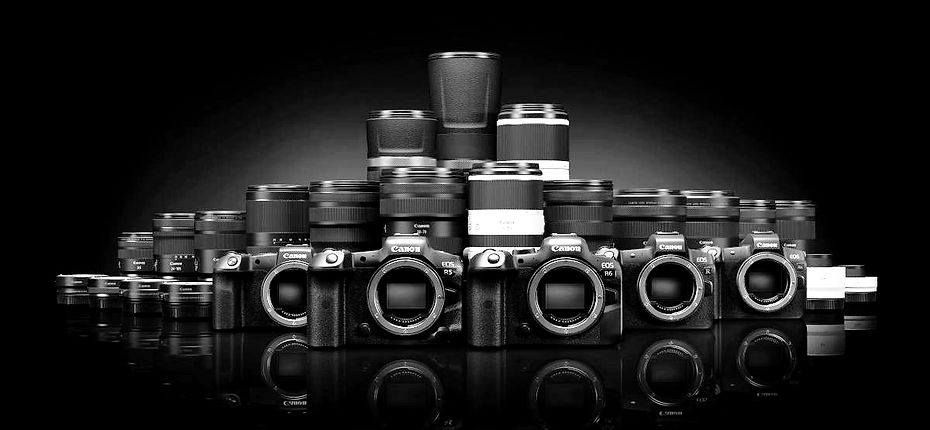
photo judging evaluation and critique
Combined with 13 years of photography experience and knowledge. In 2026, Brendan studied, completed, and became an Associate Photographic Judge through the Australian Photographic Judges Association. This allows him to assist individuals, judge at camera clubs, and judge state photography competitions.
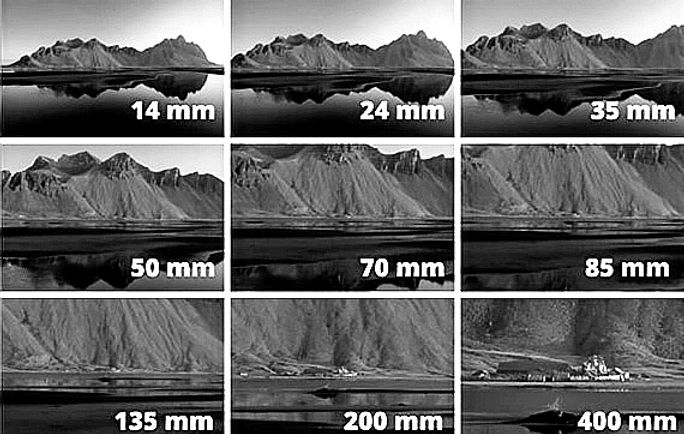
The image above: is an example of the focal length that occurs when using a 14mm to a 400mm lens.
ANY questions regarding both services, please reach out and ask!